Botox & Fillers at the Dentist: Safe, Subtle Enhancements
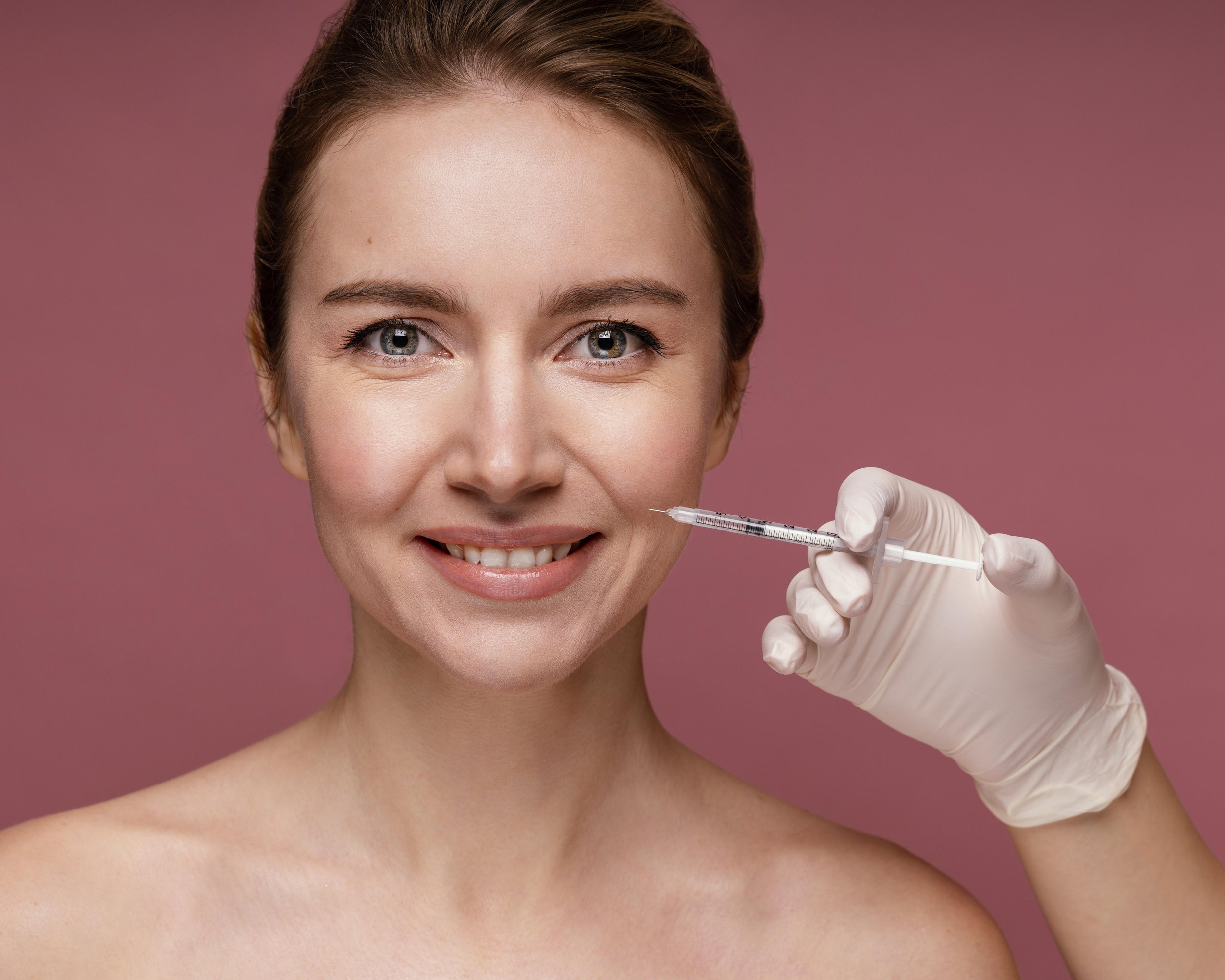
In recent years, non-surgical facial rejuvenation has become a preferred option for patients who want to look refreshed without undergoing invasive procedures. Treatments such as Botox & Fillers are now widely recognized for their ability to soften wrinkles, restore volume, and enhance facial features with minimal downtime. As awareness grows, many patients are discovering that dentists are among the most qualified professionals to provide these treatments safely and effectively.
Dentists possess an in-depth understanding of facial anatomy, muscle movement, and nerve structure. This expertise makes dental clinics an ideal and trusted setting for wrinkle relaxers, lip fillers, and dermal volume treatments that focus on natural-looking results.
Understanding Botox and Dermal Fillers
Botox and dermal fillers are injectable treatments designed to address different signs of facial aging. While they are often mentioned together, they work in distinct ways and serve different purposes.
Botox, commonly referred to as wrinkle relaxers, temporarily relaxes specific facial muscles that cause expression lines. These include forehead wrinkles, frown lines between the eyebrows, and crow’s feet around the eyes. By reducing muscle activity, Botox smooths lines while allowing the face to maintain natural movement.
Dermal fillers, on the other hand, restore lost dermal volume and enhance facial contours. As we age, the face naturally loses collagen and elasticity, leading to hollowed cheeks, thinning lips, and deeper smile lines. Fillers help replenish volume, improve symmetry, and create a more youthful appearance without surgery.
Why Dentists Are Ideal Providers for Botox & Fillers
Dentists undergo extensive training focused on the face, jaw, muscles, and nerves. Every day, they work with complex facial structures, making them highly skilled in precise injections and aesthetic balance. This level of expertise is essential when performing cosmetic treatments that require accuracy and an understanding of how facial muscles interact.
Unlike non-medical cosmetic settings, dental clinics operate under strict clinical and safety standards. Dentists are trained to assess facial harmony, manage complications, and tailor treatments to each patient’s anatomy. This medical foundation provides patients with peace of mind and confidence in their results.
Botox Treatments for Facial Wrinkles
Botox is one of the most effective treatments for reducing dynamic wrinkles caused by repeated facial expressions. Over time, actions such as smiling, frowning, and squinting can lead to visible lines that make the face appear tired or aged.
Common areas treated with Botox include the forehead, between the eyebrows, and around the eyes. When administered by a dentist, Botox is applied conservatively to ensure subtle enhancement rather than a frozen appearance. The goal is to soften wrinkles while preserving natural expression and facial character.
Results from Botox typically begin to appear within a few days and continue to improve over the following week, creating a smoother and more refreshed look.
Dermal Fillers for Volume and Contour
Dermal fillers play a key role in restoring youthful facial contours. They are commonly used to enhance lips, define cheeks, and soften smile lines around the mouth. Fillers can also improve facial symmetry and address areas where volume has diminished over time.
Lip fillers are especially popular for patients seeking natural fullness rather than dramatic changes. When placed precisely by a dentist, fillers enhance shape and proportion while maintaining a soft, balanced appearance. Smile lines treatment using fillers helps smooth deeper creases, creating a more youthful lower face.
Because dentists understand how volume impacts facial structure, they are well-equipped to deliver results that look natural from every angle.
Safety and Hygiene in a Dental Clinic
Safety is a major concern for patients considering injectable treatments. Dental clinics provide a controlled, sterile environment designed to meet medical-grade hygiene standards. Only approved, high-quality products are used, and each treatment follows strict safety protocols.
Before any procedure, dentists conduct a thorough consultation to evaluate facial anatomy, discuss medical history, and understand the patient’s aesthetic goals. This careful planning reduces risks and ensures results that align with the patient’s expectations.
What to Expect During Your Appointment
A Botox or dermal filler appointment at Revive Dental typically begins with a detailed consultation and facial assessment. Your dentist will explain the personalized treatment plan, expected results, and aftercare instructions to ensure you feel confident and informed. The injections themselves are quick and relatively comfortable, often completed within 30 to 45 minutes.
Most patients experience little to no downtime and can return to normal activities the same day. Mild swelling or redness may occur, but usually subsides quickly. Botox results develop gradually over the following days, while dermal fillers provide immediate, natural-looking improvement.
Who Can Benefit from Botox & Fillers?
Botox and dermal fillers are suitable for a wide range of patients seeking non-surgical facial rejuvenation. Ideal candidates include individuals who want to reduce fine lines, restore volume, or enhance facial features without permanent changes.
These treatments are popular among both men and women who value subtle improvements and professional medical care. A personalized approach ensures that each patient achieves results that complement their natural appearance.
Dentist-Provided Aesthetic Treatments vs Other Providers
While many aesthetic clinics offer injectables, dentists stand out due to their extensive medical training and daily experience with facial anatomy. Dental professionals approach cosmetic treatments with a health-focused mindset, prioritizing safety, balance, and long-term results.
Patients who choose dentists for Botox & Fillers often appreciate the clinical expertise and conservative approach that leads to refined, natural outcomes.
Final Thoughts
Botox & Fillers at the dentist offer a safe, effective, and medically guided approach to facial aesthetics. With expert knowledge of facial anatomy, precise injection techniques, and a focus on subtle enhancements, dentists help patients achieve refreshed, confident appearances without surgery.
For those considering wrinkle relaxers, lip fillers, dermal volume restoration, or smile lines treatment, a dental clinic provides both aesthetic excellence and medical reassurance. Subtle enhancements, when performed by skilled professionals, can make a meaningful difference in how you look and feel.
If you’re ready to explore safe, subtle facial enhancements, schedule a consultation today and take the first step toward a naturally refreshed appearance with expert dental care.
Frequently Asked Questions (FAQs)
1. Are Botox and fillers safe when performed by a dentist?
Yes, Botox & Fillers are very safe when administered by a qualified dentist. Dentists have advanced training in facial anatomy, muscle movement, and injection techniques, making them highly skilled medical injectors.
2. What areas can be treated with Botox and dermal fillers?
Botox is commonly used as a wrinkle relaxer for forehead lines, frown lines, and crow’s feet. Dermal fillers are used for lip fillers, restoring dermal volume, and smile lines treatment around the mouth and cheeks.
3. Will Botox and fillers make my face look unnatural?
No. When performed by a dentist, treatments are conservative and designed to enhance your natural features. The goal is subtle, refreshed results rather than an overfilled or frozen appearance.
4. How long do Botox and filler results last?
Botox results typically last three to four months. Dermal fillers can last between six months to eighteen months, depending on the product used and the treatment area.
5. Is there downtime after Botox or dermal filler treatments?
Downtime is minimal. Most patients return to normal activities the same day, with only mild swelling or redness that usually subsides within a few hours.
